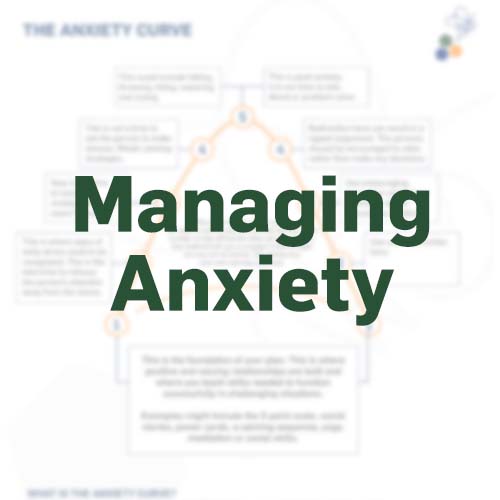
The Anxiety Curve: Understanding and Reducing Anxiety
£0.00
Who:
Parents, caregivers, and support teams of autistic children or neurodivergent learners who experience intense emotional escalations. This is for the “detective” parent who wants to understand the underlying patterns of their child’s distress and identify the optimal moments for teaching versus the moments for quiet safety.
What:
This is an accessible Anxiety Curve Mapping Tool. It provides a visual representation of how an anxious episode builds, peaks, and de-escalates. It acts as a training guide for caregivers to identify early warning signs (like restlessness) and provides a clear “protocol” for how to support the child at each specific stage of the curve.
Why:
When a child is in a “peak” state, their “thinking brain” is offline, making verbal instructions or discipline ineffective. This tool shifts the caregiver’s role from “fixing the behavior” to “supporting the nervous system.” By tracking the curve, parents learn to recognize the “rumbling” phase where intervention works best, and more importantly, they learn when to step back and allow the child to use their own tools. It creates a predictable environment for the child and a feeling of competence for the caregiver, reducing the overall stress and frequency of meltdowns.